

Shaping the root canal system is at the heart of successful endodontic treatment. As dental professionals, our goal is to remove infected pulp tissue, disinfect the canals thoroughly, and create an optimal shape that allows for three-dimensional obturation. The accuracy and efficiency with which we shape canals directly impact treatment success and patient outcomes.
Thanks to innovative advancements in endodontic technology, clinicians now have a variety of file systems that make this process safer and more predictable. As an Endodontist who has tried many endodontic file systems, I want to highlight some of the advantages I have experienced with Coltene endodontic file systems.
Why Canal Shaping Is Essential in Root Canal Treatment
Effective canal shaping allows for thorough cleaning and successful obturation. Without proper shaping, debris removal and disinfection become difficult, increasing the risk of failure. Using flexible, efficient endodontic file systems tailored to canal morphology helps maintain the original anatomy and reduce complications such as canal transportation or ledging.
Root canal treatment is often required after dental trauma causes pulpal necrosis, which may also lead to tooth discoloration. Learn more about why your tooth turns dark after an injury, its causes, diagnosis, and treatment options.
The Fundamentals of Root Canal Shaping
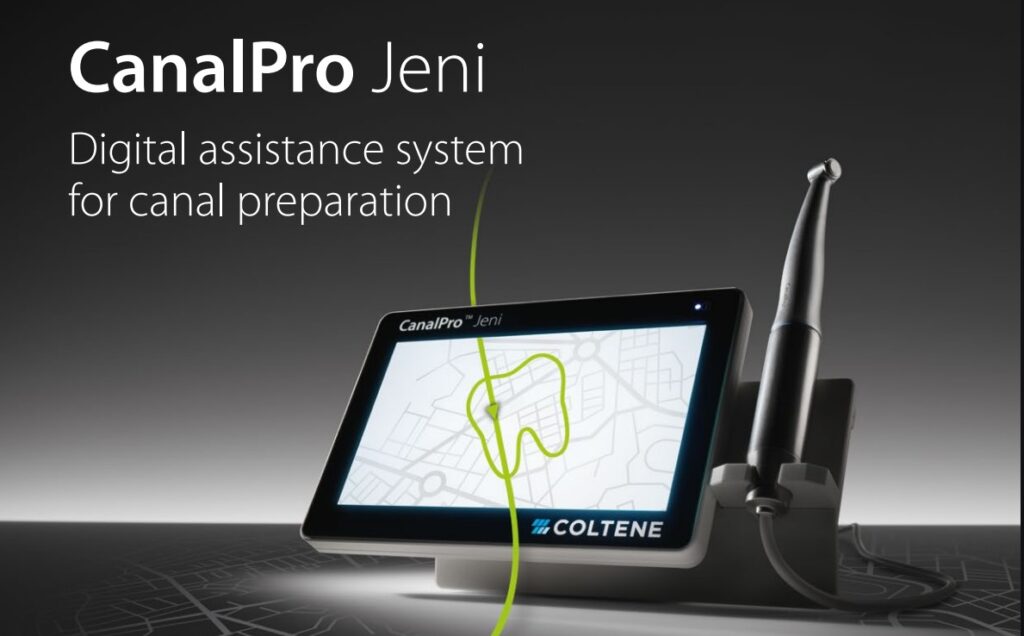
Shaping the root canal system involves three main objectives:
- Cleaning: Removal of pulp tissue, bacteria, and debris.
- Shaping: Creating a conical shape to facilitate disinfection and obturation.
- Preservation: Maintaining the original canal anatomy and avoiding procedural errors like ledging, transportation, or perforation.
To effectively achieve these objectives, the shaping process can be broadly classified into the following five clinical phases:
Phase I: Glide Path Determination (Canal Patency) – This foundational step involves the careful negotiation of the canal using small, flexible hand files (typically sizes #8 to #10) to confirm canal patency. It ensures that the canal is not blocked and provides a clear, reproducible path for subsequent rotary or reciprocating instrumentation. Skipping this step increases the risk of ledge formation or file separation.
Phase II: Coronal Pre-Enlargement (Orifice Enlargement) – In this phase, the coronal third of the canal is pre-flared using shaping instruments like MicroMega One Flare. This widens the coronal access, improves straight-line entry, and reduces the stress placed on shaping files during apical progression. It also enhances irrigation flow deeper into the canal system.
Phase III: Working Length Measurement – Accurate working length determination is critical to avoid over-instrumentation, which may cause periapical trauma, or under-instrumentation, which can leave infected tissue behind. This is best achieved using a reliable electronic apex locator in conjunction with confirmatory radiographs to establish the canal’s apical endpoint.
Phase IV: Root Canal Shaping Techniques – Once a glide path and working length are established, rotary or reciprocating files such as One Curve Mini or One Reci are used to shape the canal. The goal is to enlarge and clean the canal while preserving its original curvature. Proper file selection and movement technique help prevent transportation, zipping, or ledging.
Phase V: Root Canal Working Width – The final phase involves refining the apical and overall canal diameter to ensure adequate disinfection and optimal obturation. This step requires thoughtful selection of final shaping file sizes based on the canal’s anatomy and clinical judgment to avoid over-enlargement while maintaining efficiency.
Common Challenges in Root Canal Shaping
Root canal shaping is one of the most technique-sensitive steps in endodontic treatment. While every clinician strives for smooth, efficient canal preparation, reality often presents a different picture especially when faced with complex anatomies or limited visibility. Below are some of the most common challenges encountered during canal shaping and how they can compromise treatment success if not managed appropriately:
1. Curved Canals
Curved canals are particularly common in posterior teeth and pose a significant risk for procedural errors. Negotiating these curvatures with rigid or inappropriate files can easily result in canal transportation, ledge formation, or even instrument separation. Maintaining the original canal anatomy while effectively shaping it requires a file system with exceptional flexibility and fatigue resistance.
2. Narrow or Calcified Canals
Calcification and canal narrowing often due to age or chronic inflammation can make even locating the canal orifice a challenge. Attempting to shape such canals with standard instruments can lead to excessive dentin removal or blocked canals. Files with small tapers and enhanced cutting efficiency are necessary to conservatively and safely navigate these constricted pathways.
3. Multiple Roots and Accessory Canals
Multi-rooted teeth and teeth with accessory or lateral canals introduce an additional layer of complexity. Missed canals are a leading cause of retreatment and post-operative failure. Clinicians need tools that not only provide efficient shaping but also allow for controlled navigation of subtle anatomical variations. A predictable shaping file must follow the natural path without creating artificial deviations.
4. Limited Access in Posterior Teeth
Working in the posterior region of the mouth, especially molars with limited mouth opening, can test the operator’s dexterity and visibility. Reduced access heightens the risk of losing tactile feedback and increases hand fatigue, which can inadvertently lead to excessive pressure or over-preparation. Using files with optimized length, enhanced cutting surfaces, and adaptive movement can help mitigate these access-related challenges.
How Modern Endodontic File Systems Help
Overcoming endodontic challenges requires more than skill; it demands smart instrumentation. File systems like COLTENE’s MicroMega One Curve Mini, HyFlex EDM, and MicroMega One Reci are designed for complex anatomies. They offer high flexibility to navigate curves, efficient cutting with minimal canal transportation, and enhanced resistance to cyclic fatigue through heat-treated alloys. Their pre-bent shapes and controlled memory make negotiating calcified or narrow canals easier. By using systems built for real clinical cases, clinicians can shape root canals with greater confidence and predictability.
1. HyFlex EDM: Precision and Durability in One System
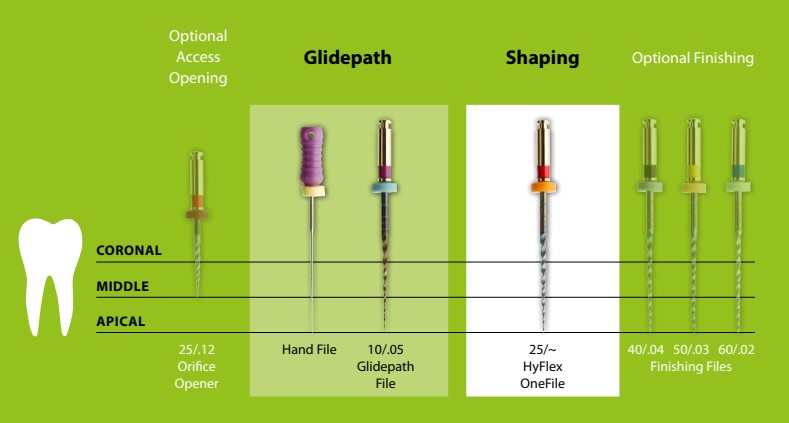
HyFlex EDM files from COLTENE represent a leap forward in endodontic technology. Manufactured using Electrical Discharge Machining (EDM), these files offer:
- Controlled memory NiTi alloy: Exceptional flexibility and cyclic fatigue resistance
- Adaptive shaping: Follows canal curvatures while preserving original anatomy
- Fracture resistance: Reduced chance of instrument separation
- Multiple tapers and sizes: For case-by-case customization
The result? General dentists can shape even curved canals with minimal risk of procedural errors, while reducing hand fatigue and chair time.
2. MicroMega One Curve Mini: Simplification Through Innovation
The MicroMega One Curve Mini is a single-use rotary file system engineered for conservative shaping. With a compact design and innovative heat-treated NiTi, it enables:
- Complete shaping with one instrument
- Superior flexibility in tight or narrow canals
- Minimized dentin removal for structural preservation
This file system is ideal for general practitioners seeking efficiency without compromising quality. Its simplicity reduces the learning curve and eliminates guesswork, making root canal procedures more approachable.
3.MicroMega Dual Move: Ergonomic, Comfort, and Smart Control in Root Canal Shaping
The MicroMega Dual Move is a cordless, ergonomic endodontic motor designed for precision and comfort. It offers full control of speed, torque, and movement ideal for safe, efficient root canal shaping.
Key Benefits of MicroMega Dual Move:
- Cordless and Ergonomic Design: Enhances operator comfort and maneuverability, especially during long procedures.
- Precision and Safety: Features auto-reverse and alarm systems to help prevent file separation, protecting both the instrument and the tooth.
- Left-Handed Compatibility: Rotatable display adapts easily for left-handed clinicians.
- Excellent Visibility: Miniature head, slim neck, and a 340° rotating contra-angle ensure excellent access and visualization, even in posterior teeth.
From general dentists to endodontic specialists, MicroMega Dual Move is a reliable solution that adapts to every clinical setting, supporting predictable and efficient canal shaping with complete freedom and control.
4. MicroMega One Flare: Efficient Preflaring with Control
Before shaping the entire canal length, it’s critical to create coronal space through preflaring. This step improves access, reduces torsional stress on shaping files, and helps locate canal orifices more easily.
Why Choose MicroMega One Flare?
- Controlled Preflaring: Designed specifically for coronal enlargement, it preserves tooth structure while optimizing access.
- NiTi Alloy with Heat Treatment: Offers flexibility and resistance to cyclic fatigue.
- Efficient Workflow: Used as a single file with rotary motion, reducing procedural steps.
By using One Flare as a first step, clinicians set the foundation for efficient and safe canal shaping.
6. MicroMega One Reci: Advanced Reciprocating Shaping for Safety
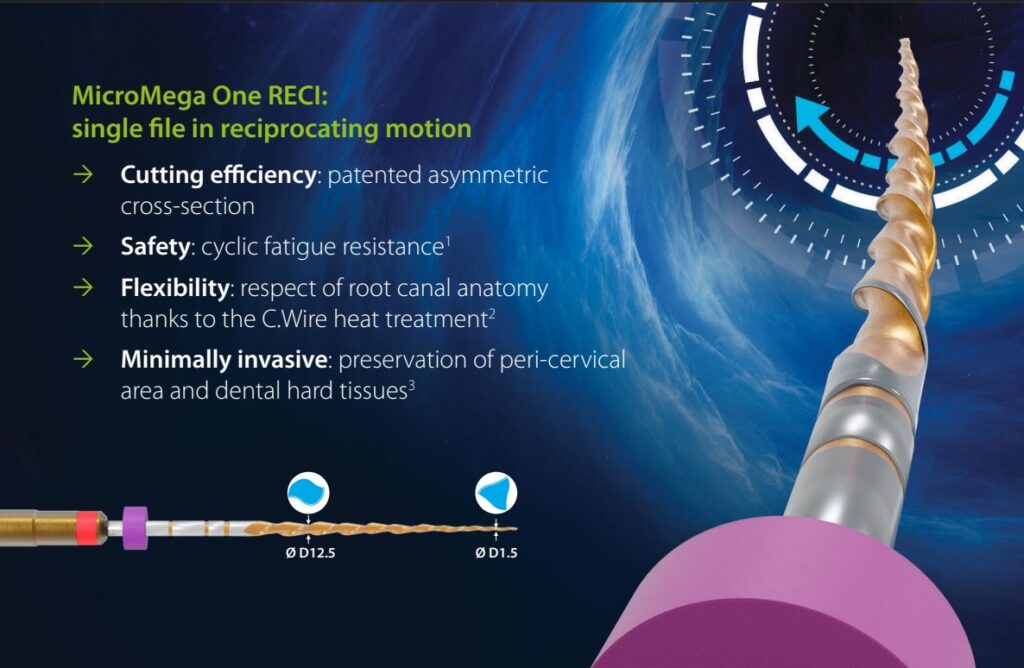
Reciprocating file systems have become popular for their safety profile and ability to reduce torsional stress on instruments. MicroMega One Reci offers the benefits of reciprocation while maintaining superior cutting efficiency.
Why MicroMega One Reci Stands Out:
- Controlled Memory NiTi: Enhances flexibility, making it suitable for curved and narrow canals.
- Reciprocating Motion: Reduces risk of file separation and increases instrument lifespan.
- Simplified Protocol: Fewer files are needed, which saves chair time and improves patient comfort.
MicroMega One Reci is especially helpful in managing challenging canals safely while minimizing fatigue for the operator.
7. HyFlex Remover: Effective Removal of Gutta-Percha and Filling Materials
Endodontic retreatment requires removing previous obturation materials without compromising canal anatomy. HyFlex Remover is a rotary file designed specifically for gutta-percha removal during retreatment cases.
Clinical Benefits:
- No Need for Solvents: Mechanically removes filling material efficiently.
- Enhanced Flexibility: Adapts to the shape of the canal.
- Heat-Treated NiTi: Reduces cyclic fatigue and prevents fracture.
HyFlex Remover simplifies the retreatment process while ensuring thorough removal of old obturation materials.
8. MicroMega Remover: Safe and Versatile Retreatment
For clinicians seeking to remove obturation materials from the root canal during non-surgical endodontic retreatment.
Benefits:
- Gutta-Percha Removal: Remove obturating material efficiently without the need for solvents.
- Specialized Design: Engineered for retreatment, efficiently removes gutta-percha, pastes, or carrier-based materials.
- Excellent Flexibility: Navigates complex root canal anatomies with minimal risk.
MicroMega Remover enhances control in difficult retreatment cases and works well even in curved or narrow canals.
9. COLTENE Hand Files: Trusted Precision and Control
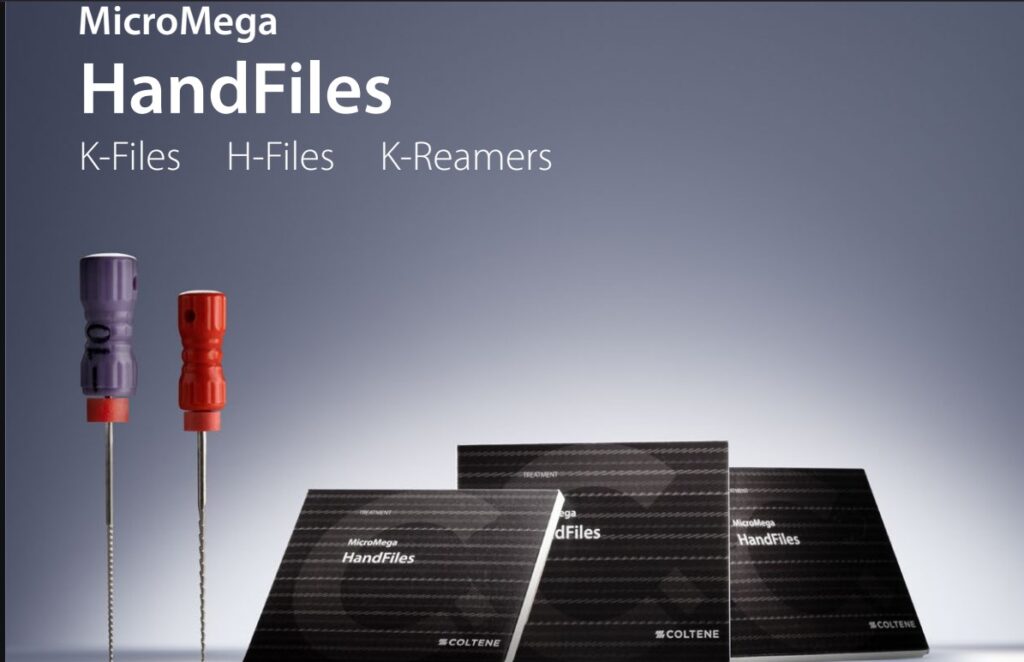
Even in the age of advanced rotary and reciprocating files, hand files remain indispensable in endodontic practice, particularly in initial canal negotiation, glide path creation, and small or calcified canals.
Features of COLTENE Hand Files:
- ISO Standardized Sizes: Ensure predictable progression.
- Strong and Flexible: Available in stainless steel and NiTi options.
- Variety of Types: K-Files, H-Files, Reamers, and more.
By establishing a reproducible glide path with hand files, clinicians enhance the safety and efficacy of subsequent shaping steps with rotary or reciprocating files.
Best Practices for Safe and Efficient Root Canal Shaping
Safe and predictable root canal shaping starts with following a clear, evidence-based workflow, no matter which file system you choose. The process begins with creating a smooth glide path using small hand files (#8–#15). This step confirms canal patency, reduces the risk of ledges or blockages, and sets the foundation for successful shaping.
Effective irrigation is equally important. Using solutions such as CanalPro sodium hypochlorite and EDTA, ideally activated with sonic or ultrasonic devices, helps remove debris, dissolve organic tissue, and improve overall disinfection.
Throughout the procedure, clinicians should continually verify the working length using an apex locator and radiographic confirmation. This prevents over-instrumentation and ensures shaping remains within the correct boundaries.
Respecting the tooth’s natural anatomy is key. Using modern, flexible, heat-treated files allows instruments to follow the canal’s original curvature without unnecessary transportation. Operating these files with torque-controlled motors, set according to manufacturer recommendations, minimizes the risk of file separation.
Finally, shaping should always be performed with a gentle, progressive technique using light pressure and small pecking motions rather than forcing the instruments. This approach enhances safety, efficiency, and overall treatment success. If you’d like to compare different endodontic file systems, read our full review: Top Endodontic Systems.
Conclusion
As an Endodontist who has used various endodontic instruments for canal shaping, I highly recommend Coltene’s endodontic file systems and their range of endodontic products. Whether you’re a general practitioner aiming to streamline your root canal workflow or an experienced endodontist looking to upgrade your instruments, modern endodontic systems make canal preparation precise, safe, and predictable.
FAQ
Yes. COLTENE endodontic files are known for flexibility, efficiency, and controlled shaping. Their advanced heat-treated NiTi technology helps reduce stress on the file, improving safety and predictability during canal preparation.
To reduce the risk of file separation, always begin by creating a smooth glide path and maintaining canal patency with small hand files. Ensure proper straight-line access, and follow the manufacturer’s recommended torque and speed settings. Avoid forcing the file, clean the flutes frequently, and use flexible, heat-treated NiTi instruments to minimize torsional stress inside the canal.
The safest systems for curved canals are those with high flexibility and controlled memory. Heat-treated NiTi files reduce transportation and maintain the natural canal anatomy, making them ideal for managing severe curvatures safely.
Beginners should choose instruments that offer simplicity, flexibility, and clear instructions. Systems with fewer file sequences, controlled memory alloy, and predictable performance help new clinicians shape canals confidently while minimizing mistakes.

