
Oral cancer can affect anyone, but early detection can save lives. Unfortunately, many people underestimate the importance of oral cancer screening until symptoms become noticeable and by then, the disease may have progressed. Oral cancer often starts silently, with minimal or no symptoms in its early stages. This guide explains what happens during oral cancer screening and biopsy, when to get checked, and how these procedures can help protect your oral health.
What Is an Oral Cancer Screening?
An oral cancer screening is a preventive examination performed by your dentist to look for abnormal cells or tissue changes that could indicate oral cancer or precancer. The process is simple, painless, and typically takes only a few minutes. Despite its brevity, this screening plays a crucial role in early diagnosis.
According to the American Dental Association (ADA), routine screenings during dental visits are essential for detecting oral cancer early, often before it spreads to other areas.
Why Oral Cancer Screening Matters
Early diagnosis can be life-saving. When oral cancer is detected early, treatments can be less invasive, and outcomes are significantly better. Many oral cancers are discovered late because early symptoms are often mistaken for minor issues like mouth ulcers, irritation from braces, or gum disease.
Regular screenings are particularly important if you:
- Smoke or use tobacco products
- Consume alcohol frequently
- Have a history of oral lesions
- Are over 40 years old
Learn more about maintaining healthy gums and preventing oral complications in our post on Gum Disease: What Everyone Should Know.
What Happens During an Oral Cancer Screening
During a screening, your dentist will:
- Visually inspect all surfaces of your mouth, lips, and tongue for unusual textures or discolorations
- Palpate your jaw, neck, and under the chin for lumps, swelling, or enlarged lymph nodes
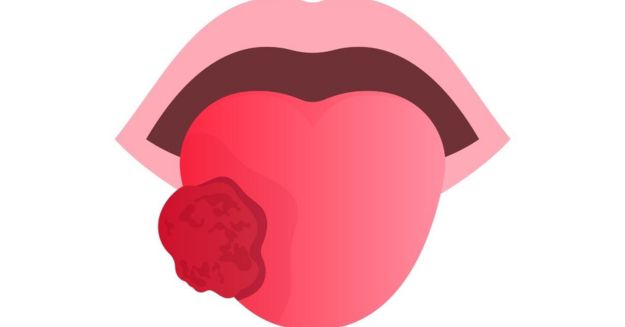
- Look for red or white patches, ulcers, or abnormal growths
Some dental offices use additional tools for enhanced screening
- Fluorescent lights that highlight abnormal tissue
- Special rinses or dyes that make suspicious cells more visible
If abnormal tissue is found, your dentist may recommend an oral biopsy to confirm whether the cells are cancerous.
Understanding Oral Biopsy
An oral biopsy is a minor surgical procedure where a small tissue sample is removed and sent to a laboratory for microscopic examination. This is the only definitive way to confirm whether suspicious tissue is benign, precancerous, or malignant.
Biopsies also help diagnose other oral conditions, such as infections, cysts, and inflammatory lesions.
When Is an Oral Biopsy Necessary?
A biopsy may be recommended if:
- A lesion does not heal within two weeks
- Unexplained lumps, ulcers, or discoloration appear
- X-rays show bone lesions that cannot be diagnosed clinically
- Chronic pain, swelling, or numbness persists
- Your dentist suspects oral cancer
Some biopsies also help diagnose non-cancerous conditions, such as infections or precancerous changes, ensuring accurate treatment.
Types of Oral Biopsies
Dentists and oral surgeons may use different biopsy methods depending on the lesion size, location, and appearance:
- Incisional Biopsy – Removes a portion of a larger lesion for testing. Ideal when lesions have varied characteristics.
- Excisional Biopsy – Removes the entire lesion, usually when it is small and appears benign. It can be diagnostic and therapeutic.
- Aspiration Biopsy – Uses a needle and syringe to extract fluid or cells, helping determine if a lesion is solid or fluid-filled.
- Brush Biopsy – A soft brush collects surface cells. Noninvasive and often used for initial screenings.
- Cytology – Studies individual cells, especially for viral, fungal, or radiation-related changes. Often combined with other biopsies.
- Punch Biopsy – Removes a small, full-thickness tissue cylinder using a circular blade. Useful for mucosal or skin-like lesions.
How an Oral Biopsy Is Performed
Before a biopsy, your dentist or oral surgeon will:
- Review your medical and dental history, including allergies, medications, and habits like smoking or alcohol use
- Administer a local anesthetic near the lesion, avoiding direct injection into the lesion to prevent tissue distortion
- Surgically remove part or all of the lesion
- Apply pressure to stop bleeding and close the incision with sutures (resorbable or non-resorbable)
After the procedure:
- Mild pain or swelling is normal for a few days
- Slight bleeding may occur for 24–48 hours
- Soft foods are recommended while avoiding spicy or hard items
- Over-the-counter pain relievers or prescribed medication can be used
Oral biopsy is a simple outpatient procedure with minimal discomfort. Healing usually occurs within one to two weeks.
Why Early Detection Matters
Early detection of oral cancer dramatically improves survival rates. When diagnosed early, the 5-year survival rate can exceed 80%. Regular dental visits and screenings ensure abnormal tissues are detected long before symptoms become severe.
If you’ve had dental treatments like root canal therapy, maintaining oral hygiene is crucial. Learn how to support long-term dental health in our Root Canal Treatment Guide.
How to Protect Yourself from Oral Cancer
Simple lifestyle changes can reduce your risk:
- Avoid tobacco and limit alcohol consumption
- Maintain a balanced diet rich in fruits and vegetables
- Protect your lips from UV exposure
- Visit your dentist regularly for checkups and screenings
Ensure your dental insurance covers preventive screenings — check out 8 Best Dental Insurance Companies of 2025
FAQ:
Yes, avoiding tobacco, excessive alcohol, HPV infection, and maintaining oral hygiene with regular screenings lowers your risk.
No, the area is numbed before the procedure. Most patients report only minor soreness afterward.
Typically 15–30 minutes. Results are usually available within a week.
Your dentist or oral surgeon will refer you to an oncologist or head-and-neck specialist for further evaluation and treatment planning.
Conclusion
Oral cancer screening and biopsy may seem intimidating, but they are simple, painless, and potentially life-saving. Just a few minutes in the dental chair could make a profound difference. Stay proactive, schedule regular screenings, and protect your oral health, early detection saves lives.

