

Gum disease is a common condition that can really affect your mouth and your overall health. It can make your gums swell, turn red, and bleed. In this guide, we’ll talk about the different stages of gum disease, like gingivitis and periodontitis, and share tips to help you prevent it.
What is Gum Disease?
Gum disease, also referred to as periodontal disease, is an infection that affects the tissues supporting your teeth. It develops due to poor oral hygiene, allowing plaque to accumulate around your teeth. This condition can lead to various oral health issues, including tooth loss. Importantly, gum disease is not limited to your mouth; it has far-reaching effects on your overall health, including associations with heart disease, diabetes, and other chronic conditions.
What are the Stages of Gum Disease?
It’s important to know about its different stages, from the early stage called gingivitis to the more severe stage known as periodontitis. Understanding these stages can help catch the disease early and manage it effectively.
1. Gingivitis: The Early Stage
Characteristics:
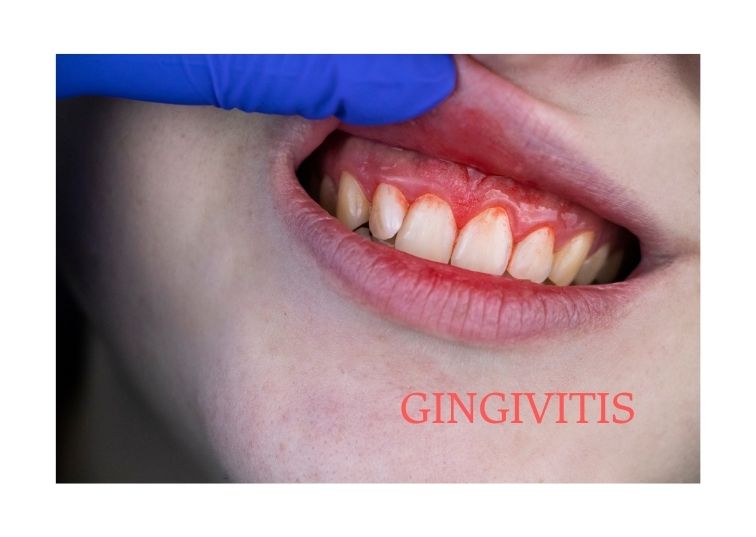
- Gingivitis is the first stage of gum disease and usually happens because of the buildup of sticky, colorless bacteria called plaque near your gums. Plaque is always forming on our teeth, and if we don’t brush and floss regularly to remove it, it can make our gums irritated and swollen.
Symptoms:
- At this stage, your gums may become red, swollen, and bleed when you brush or floss. These symptoms might seem mild, but they’re important signs that you shouldn’t ignore. The good news is that gingivitis can be reversed with help from your dentist and by taking good care of your teeth. Regular dental check-ups, proper brushing, and flossing can undo the effects of gingivitis and stop it from getting worse.
2. Mild to Moderate Periodontitis: The Progression
Progression from Gingivitis:
- If gingivitis isn’t treated, it can turn into periodontitis, which is when the real damage starts. In periodontitis, the inner layer of your gums and bone move away from your teeth, creating pockets. These spaces collect debris and can get infected. Your body’s response to this infection, along with the toxins produced by the plaque bacteria, begins to break down the bone and tissue holding your teeth in place.
Symptoms and Consequences:
- This stage includes gum recession, deeper pockets between teeth and gums, bleeding, and potential tooth sensitivity. As the disease gets worse, the pockets get deeper, and more gum and bone are damaged. It’s important to get treatment quickly to stop it from getting worse. Treatments might include deep cleaning procedures and sometimes antibiotics to treat the infection.
3. Advanced Periodontitis: The Critical Phase
Characteristics:
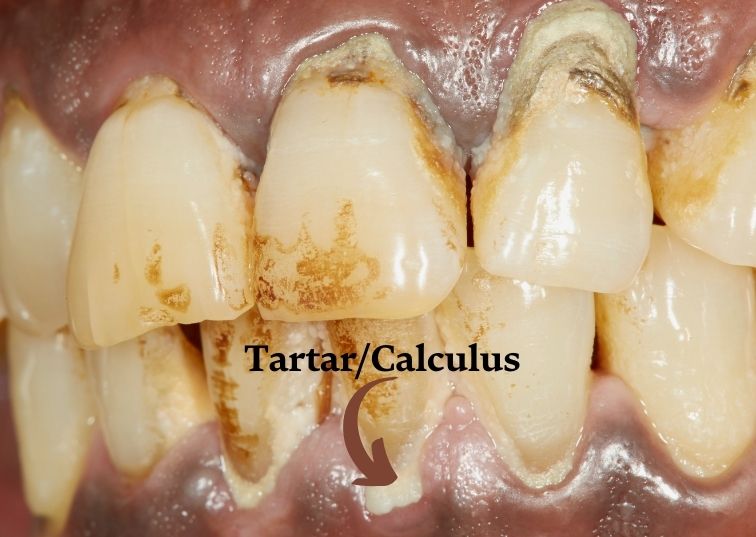
- In the last stage of gum disease, the structures supporting your teeth are severely damaged. This can make your teeth loose, shift, or even fall out. This stage is very serious and can have a big impact on your oral and overall health. It’s not just about losing teeth; it can affect your facial structure and how you chew and speak.
Symptoms and Consequences:
- Signs of advanced periodontitis include severe gum recession, very deep pockets, loose teeth, changes in your bite, and possibly pus around your teeth and gums. Treatment at this stage is more complex and may involve different dental procedures. Options may include surgery to reduce pocket depths, regenerate lost bone and tissue, and sometimes removing and replacing teeth with options like dental implants or dentures.
How to Prevent Gum Disease
Gum disease can sneak up on you without causing pain or drawing your attention until it becomes a big problem for your health. But the good news is that you can prevent it with some proactive measures. To keep your gums healthy and avoid the risks of gum disease, follow this detailed guide:
1. Maintain a Thorough Oral Hygiene Routine:
Regular Brushing:
- Brush your teeth at least twice a day, preferably after meals, using fluoride toothpaste. Be sure to reach all areas, including your back teeth and along the gumline, where plaque can build up.
Daily Flossing:
- Flossing isn’t a choice; it’s a must. It removes plaque and food particles from between your teeth and beneath the gum line, where your toothbrush can’t reach. Make it a daily habit.
Use Mouthwash:
- Rinse with an antimicrobial mouthwash to reduce the bacteria that can lead to plaque and gum disease. Opt for therapeutic mouthwash to actively contribute to your oral health.
2. Schedule Regular Dental Check-ups and Cleanings:

Professional Cleanings:
- Even if you’re diligent with brushing and flossing, some plaque can harden into tartar, which only a professional cleaning can remove. Visit your dentist or dental hygienist regularly, typically every six months, for a cleaning and check-up.
Comprehensive Examinations:
- During these visits, your dentist can spot early signs of gum disease and other oral health issues. Catching problems early makes them easier to treat effectively.
3. Make Lifestyle Adjustments for Better Oral Health:
Quit Smoking:
- Smoking is a significant risk factor for gum disease. Quitting can greatly reduce your chances of developing gum disease and improve your overall health.
Balanced Diet:
- Eating foods rich in vitamins, minerals, and antioxidants can boost your immune system and help your body fight off infections, including gum disease. Limit sugary snacks and drinks that contribute to plaque.
Stress Management:
- High stress can weaken your immune system, making it harder to fight off infections like gum disease. Find stress-reduction techniques that work for you, such as exercise, meditation, or pursuing hobbies.
4. Stay Informed About Your Oral Health:
Know Your Risk Factors:
- Certain conditions like diabetes, hormonal changes in women, medications that dry the mouth, and genetic factors can increase your risk of gum disease. Discuss these with your dentist.
Educate Yourself:
- Knowledge is power. The more you understand about gum disease, its causes, symptoms, and treatments, the better prepared you’ll be to prevent it or seek timely treatment.
By following these proactive measures and staying informed, you can maintain healthy gums and reduce the chances of developing gum disease.
FAQs
Gum disease, or periodontal disease, is an infection of the tissues that hold your teeth in place. It’s typically caused by poor oral hygiene allowing plaque to build up on and around your teeth. It can lead to tooth loss and is linked to heart disease, diabetes, and other chronic conditions.
Yes, gingivitis, the early stage, can be reversed with good brushing, flossing, and professional cleanings. Advanced gum disease needs dental treatment.
Early signs include red, swollen, and tender gums that may bleed during brushing or flossing, bad breath, and receding gums.
You should visit the dentist for cleanings and check-ups at least twice a year. If you have a history of gum disease, your dentist might recommend more frequent visits.
Yes, gum disease is linked to several systemic health conditions, including diabetes, heart disease, and respiratory conditions, due to the inflammation it can cause throughout the body.
Smokers, people with diabetes, pregnant women, and those with a family history of gum problems have a higher risk.
The best way to prevent gum disease is to brush twice a day, floss daily, and rinse with an antibacterial mouthwash. Maintaining good oral hygiene helps remove plaque before it turns into tartar. A healthy diet and avoiding tobacco also greatly reduce your risk.
If your gums bleed or feel swollen, start by brushing and flossing gently to remove plaque without irritating your gums. If symptoms last more than a week or get worse, schedule a dental visit. These are common early signs of gum disease and need professional care.


John brown
Nice post