
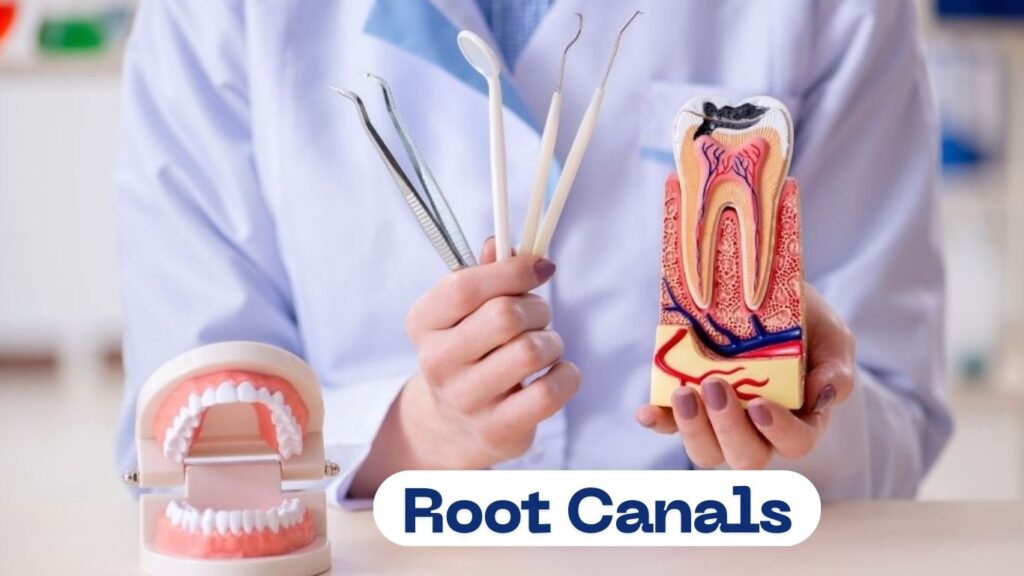
What is a Root Canal?
Root canal treatment is a dental procedure that is intended to remove bacteria from the infected root canal, stop the tooth from being infected again, and keep the natural tooth.
As tooth decay progresses, it will eventually reach the pulp, which contains the nerves in the root of your tooth. When this happens, you may experience tooth pain, and if left untreated, this can turn into an abscess or destroy the tooth to the point of extraction.
When Do You Need a Root Canal?
Root canal therapy is necessary when oral bacteria infiltrate the pulp inside your tooth. This typically happens when a cavity goes untreated for a long time. It may also occur if a traumatized tooth develops a crack or other damage. In some cases, you might not even be aware that you have an infected tooth. Many people, however, notice certain symptoms. The following are indications that you need a root canal:
- Tooth pain that won’t go away: One of the signs that you may require a root canal is persistent tooth pain. if bacteria have invaded the canal, you will probably feel intense pain in the infected tooth. Your tooth pain could be spontaneous and continuous or it could subside for a while before coming back. You may also experience referred pain in your face, jaw, ear, or other teeth.

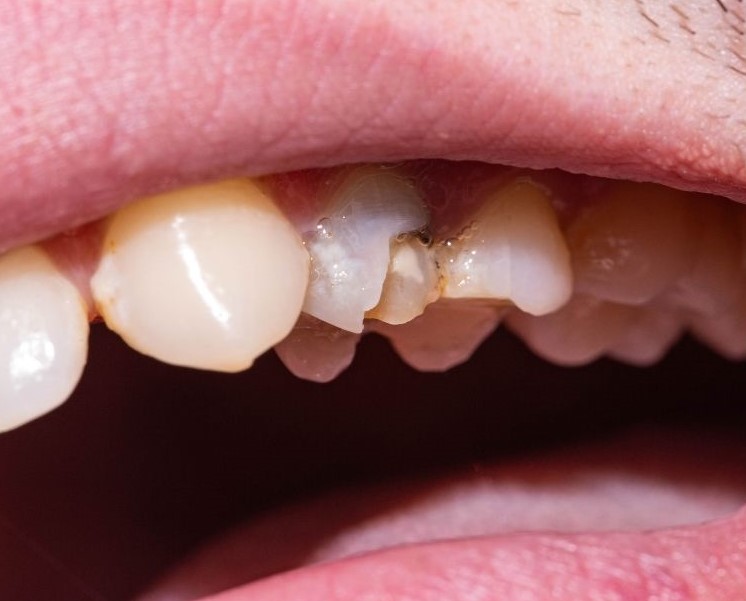
- Tooth Discoloration: The pigment deposited within the tooth by the ruptured blood vessel, usually due to significant trauma, can cause the tooth to turn gray or brown. In order to lighten the color of your enamel, your dentist carries out some internal whitening after root canal treatment.

- Swelling: Gum swelling could be a sign of an infection or cyst deep into your bone. Even if your tooth has a enamel and dentine fracture, bacteria can still get within the crown and infect the pulp . However, you should visit the emergency room right away if the swelling starts to enlarge and cover your entire face or obstruct your airway.

- Sinus Infection: If you appear to be experiencing sinus issues like congestion or a runny nose? Your upper tooth roots may occasionally be seen draped over the lining of your sinus cavity due to their extensive growth. If the infection seeps through your sinus lining, you run the risk of bacteria entering your sinuses and a host of other issues.
- Gum Boil: In the bone and gum tissues, active abscesses produce cysts that result in “fistulas,” or fluid-filled bumps on your gums. These fistulas can be from tiny boils to big ulcers. Depending on whether pus drains from it or the illness subsides, a fistula may appear and disappear. Don’t make the error of believing that the issue has been fixed itself because the cause of the swelling won’t go away on its own.
- A Fractured or Cracked Tooth: Bacteria can enter a chipped or cracked tooth as a result of an accident, a contact sport, or chewing on something hard, leading to inflammation and infection. Even if you injure a tooth but it does not chip or crack, the injury may still cause nerve damage.
Root Canal Procedure and Post-Treatment Care
Initial Diagnosis:
- The dentist evaluates the tooth through X-rays and clinical examination to assess the extent of infection or damage.
- Sensitivity tests are often used to confirm the tooth’s condition.
Administering Anesthesia:
- Local anesthesia is applied to numb the tooth and surrounding area, ensuring the patient remains comfortable during the procedure.
Creating Access:
- A small opening is made in the crown of the tooth to access the pulp chamber and root canals.
- A rotary instruments will be used for the procedure.
Removing Infected Pulp:
- Using specialized instruments, the infected or inflamed pulp is carefully removed from the root canals.
Cleaning and Shaping the Canals:
- The root canals are cleaned, disinfected, and shaped to prepare for filling. Antimicrobial solutions are used to eliminate bacteria.
Filling the Canals:
- Once the canals are thoroughly cleaned and shaped, they are filled with a biocompatible material, such as gutta-percha, to prevent future infection.
Sealing the Tooth:
- Once the root canal procedure is complete, a permanent filling and crown are placed to seal the access point. This step is crucial for protecting the tooth from contaminants, ensuring no bacteria enter the canals. The crown also strengthens the treated tooth, helping it resist chewing and mastication forces, restoring its full function.
Post-Treatment Care:
- After the procedure, patients may experience mild discomfort, which can be managed with over-the-counter pain relievers.
- Patients are advised to avoid chewing hard foods on the treated tooth until a permanent crown or filling is placed.
- Good oral hygiene practices, such as brushing, flossing, and regular dental check-ups, are essential for long-term tooth health.

