

Advancements in dental technology have made tooth replacement accessible, effective, and personalized. In this guide, we will discuss various treatment options for replacing missing teeth.
What Are the Best Treatments for Missing Teeth?
There are several treatment options available to replace missing teeth, each tailored to different needs and circumstances. The most common solutions include dental bridges, dentures, and dental implants.
1. Dental Bridges
Dental bridges are one of the most commonly chosen methods to replace missing teeth. They use artificial teeth, called “pontics,” to fill gaps, secured by the natural teeth or dental implants adjacent to the space.
Types of Dental Bridges
- Traditional Bridges: These bridges are secured using crowns placed on the adjacent teeth on either side of the gap.
- Cantilever Bridges: These rely on a crown attached to just one adjacent tooth.
- Composite Bridges: These involve attaching metal or porcelain wings to neighboring teeth using resin, avoiding the need for crowns.
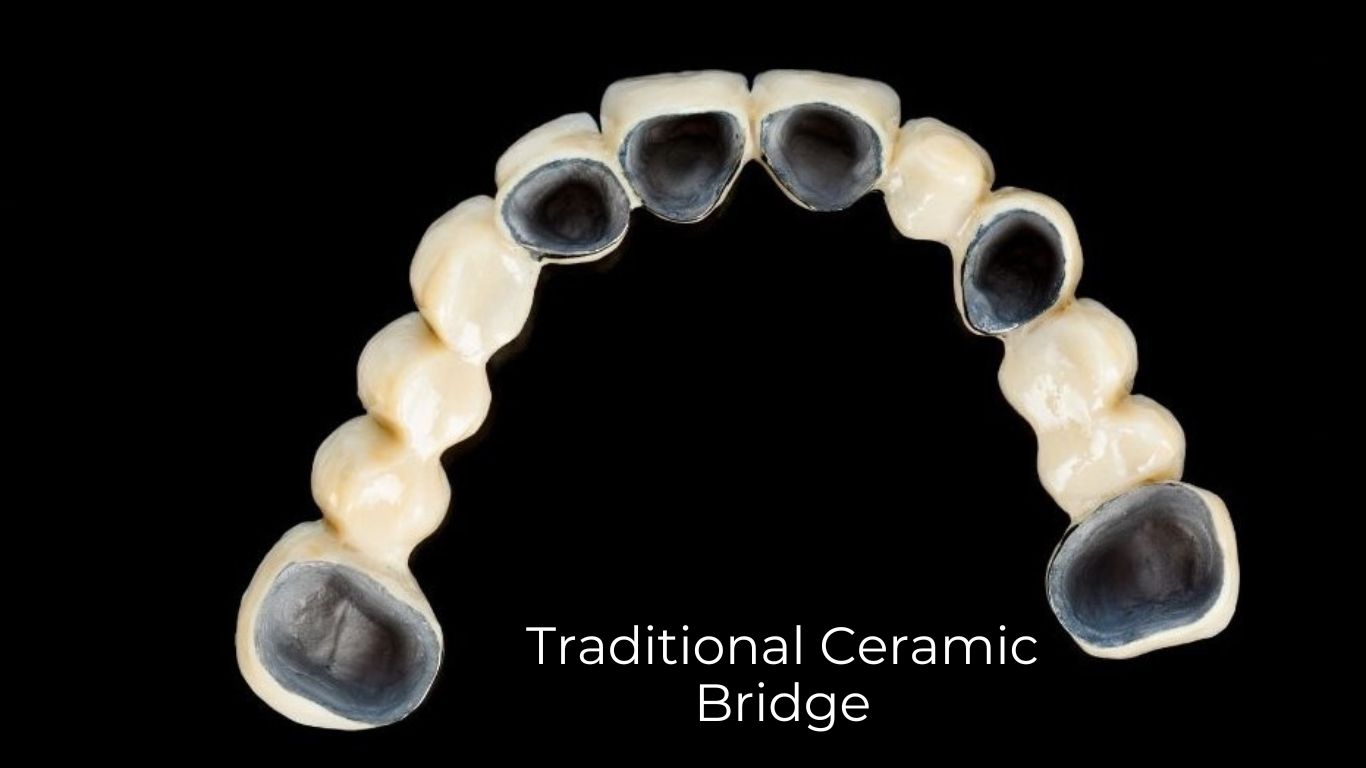
Procedure for Dental Bridges
- Preparation: For traditional and cantilever bridges, the dentist reshapes the adjacent teeth to accommodate crowns. This step involves enamel removal, which is irreversible.
- Placement: Once the teeth are prepared, the bridge is crafted to match your bite and then cemented into place.
Cost for Dental Bridges
The cost of dental bridges depends on the number of teeth being replaced, the materials used, and the complexity of placement. On average, a dental bridge costs about $2000 per tooth. A two-tooth cantilever bridge with one pontic may cost up to $4,500.
2. Dentures
Dentures are fixed or removable appliances used to replace multiple missing teeth. They come in full or partial forms and can either be traditional or supported by dental implants for added stability.
Types of Dentures
- Removable Dentures: These can be taken out for cleaning and include partial and complete sets.
- Permanent Dentures: These are fixed in place using dental implants and provide a long-term solution for missing teeth.
- Partial Dentures: These fill gaps where some natural teeth remain. They can be removable or fixed.
- Complete Dentures: These replace all the teeth in either the upper or lower jaw.
- Overdentures: These rest on implants but are removable.
- Flippers: Temporary, removable partial dentures designed to replace a single tooth.
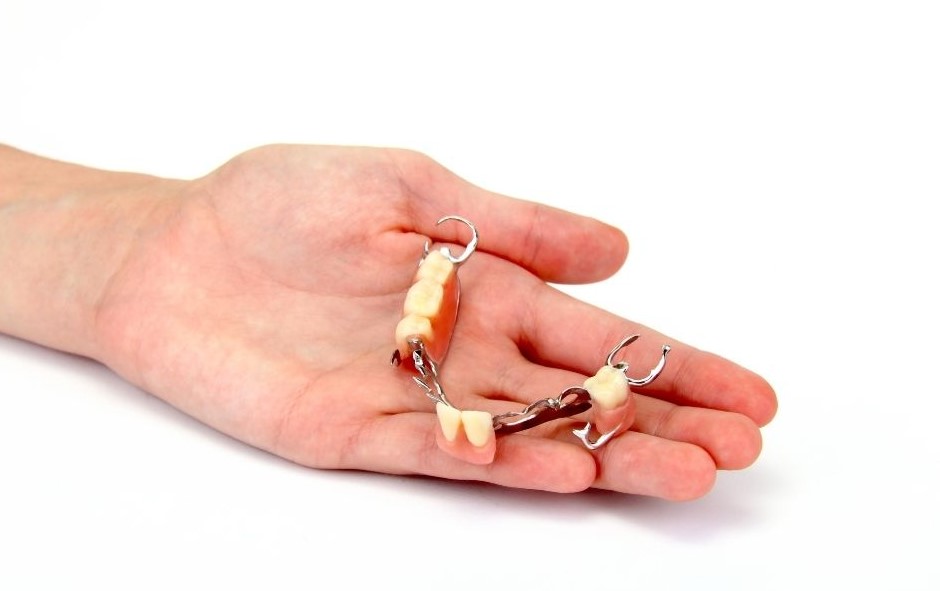
Procedure for Dentures
- Impressions are taken of the upper, lower, or both arches if all teeth need replacement.
- Your dentist evaluates your bite and the alignment of your jaws to ensure proper function for chewing and speaking.
- A trial pair of dentures is created in a lab and sent to your dentist for initial fitting.
- Adjustments are made to the trial dentures to refine alignment and fit.
- Final dentures are crafted to resemble natural teeth and gums and secured to the gums using a specialized adhesive.
Cost for Dentures
The cost of dentures varies depending on the type and material used. Complete dentures typically cost between $1,000 and $1,500, while partial dentures are generally less expensive. Implant-supported dentures can cost significantly more.
3. Dental Implants
Dental implants are considered the gold standard for tooth replacement due to their durability, functionality, and natural appearance. They consist of a titanium post that acts as an artificial root, topped with a crown to replicate the missing tooth.
Types of Dental Implants
- Endosteal Implants: The most common type, these are placed directly into the jawbone and act as artificial roots to hold one or more replacement teeth.
- Subperiosteal Implants: These are placed under the gum but above the jawbone, suitable for patients with insufficient bone height who cannot undergo bone augmentation.
- Zygomatic Implants: A less common option, these are anchored in the cheekbone (zygoma) rather than the jawbone and are typically used in cases of severe bone loss
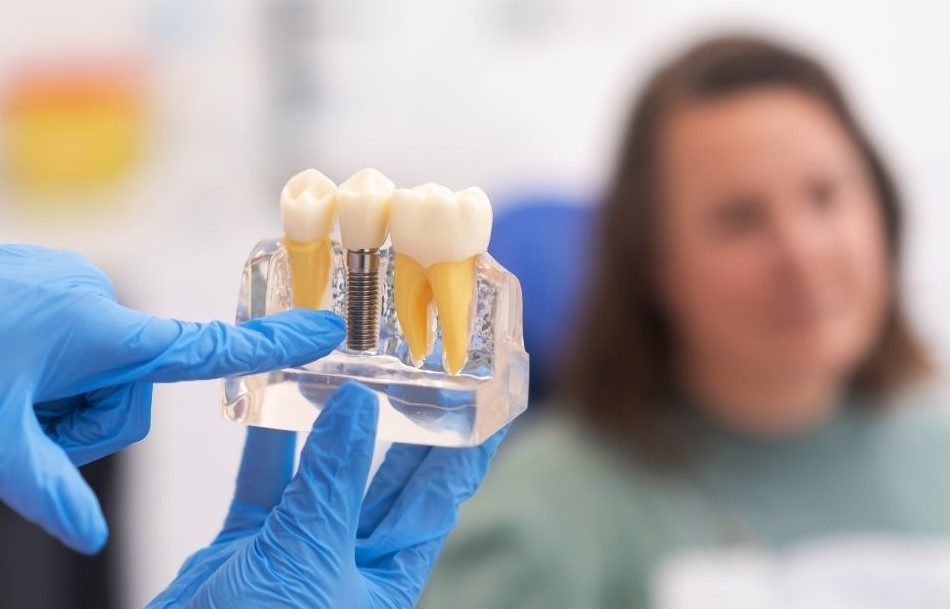
Procedure for Dental Implants
Dental implants replace missing teeth with strong, natural-looking ones through a simple step-by-step process. Here’s how it works.
- Consultation & Evaluation
Your dentist examines your teeth and jaw, takes X-rays or 3D scans, and decides if an implant is right for you.
- Treatment Planning
A customized plan is created to determine the best implant type, size, and placement.
- Tooth Extraction (if needed)
If a damaged tooth is present, it is removed to prepare the site for the implant.
- Implant Placement
A titanium post is surgically inserted into the jawbone, acting as a root replacement.
- Healing & Osseointegration
The implant fuses with the jawbone over several months, creating a stable foundation for the new tooth.
- Crown Placement
A custom-made crown is fitted onto the abutment, completing the restoration with a natural look and function.
Cost for Dental Implants
The cost of a single dental implant ranges from $3,000 to $5,000. Including preparatory procedures like bone grafting, sinus lifts, and extractions, the total cost can rise to $15,500.
Factors Influencing the Choice of Treatment
Selecting the best solution for missing teeth depends on several factors unique to each individual:
1. Number of Missing Teeth:
- Single Tooth: Dental implants are often the best choice for replacing a single tooth, offering durability and aesthetic appeal.
- Several Teeth in a Row: Dental bridges provide a cost-effective and practical solution.
- Multiple Teeth or Full Arch: Dentures are the most economical choice for replacing several missing teeth or an entire arch.
2. Location of Missing Teeth:
- Front Teeth: Dental implants are ideal due to their natural appearance and ability to prevent bone loss. Bridges or partial dentures may also be used but may not provide the same stability.
- Back Teeth: Implants and dentures both work well, but implants may require additional bone grafting due to the thickness and density of posterior bone.
3. Budget:
The cost of treatment plays a significant role in decision-making:
- Dentures are the most affordable, with costs starting at $300 for basic options.
- Bridges offer a mid-range option, costing between $2,000 and $4,000.
- Implants are the most expensive but provide the best long-term value.
How Missing Teeth Affect Oral Health
Losing teeth has both immediate and long-term consequences:
1. Bone Loss: Missing teeth can lead to the deterioration of the jawbone.
2. Shifting Teeth: Gaps can cause adjacent teeth to shift, affecting your bite alignment.
3. Difficulty Chewing: Missing teeth impact your ability to chew food efficiently.
4. Speech Issues: Gaps in your teeth can alter your speech patterns.

