

Key Takeaways
- Halitosis (bad breath) is a common oral condition that affects millions of people worldwide.
- The main causes include poor oral hygiene, gum disease, dry mouth, diet, and medical conditions.
- Professional dental care treats the underlying cause of halitosis rather than just masking the symptoms.
- Consistent oral hygiene and hydration are essential for long-term prevention.
- Persistent bad breath can be a sign of a more serious dental or systemic condition requiring professional evaluation.
What Is Halitosis and Why It Happens
Halitosis, commonly known as bad breath, refers to an unpleasant odor that originates from the mouth. While occasional bad breath after eating certain foods or skipping a brushing session is normal, chronic halitosis can be a persistent and embarrassing problem often signaling deeper oral or systemic issues.
Many patients visit the dentist not just for cavities or gum problems, but because persistent bad breath affects their confidence and quality of life. Understanding the cause is the first step toward lasting fresh breath.
Common Causes of Bad Breath
Halitosis can arise from several dental, lifestyle, and medical factors. Identifying the specific cause is crucial for effective treatment.
1. Poor Oral Hygiene
Food debris and plaque trapped between teeth and along the gumline decompose, releasing foul odors. Neglecting brushing or flossing allows bacteria to multiply and worsen the smell.
2. Gum Disease (Periodontitis)
When plaque hardens into tartar, it irritates the gums and creates deep pockets where bacteria thrive, producing sulfur compounds that cause strong odors.[1]
3. Dry Mouth (Xerostomia)
Saliva naturally cleanses the mouth. Reduced saliva flow due to dehydration, medications, or mouth breathing allows bacteria to grow unchecked, causing bad breath.[2]
4. Diet and Lifestyle Factors
Certain foods (garlic, onions, coffee) and habits like smoking or alcohol consumption contribute to bad breath by drying the mouth and releasing odor-causing compounds.
5. Underlying Medical Conditions
Sinus infections, acid reflux, diabetes, and tonsil stones can produce chronic bad breath unrelated to oral hygiene.
How Dentists Treat Halitosis
If you struggle with persistent bad breath despite maintaining good hygiene, it’s time to see your dentist. Professional halitosis care targets the root cause, not just the symptoms.
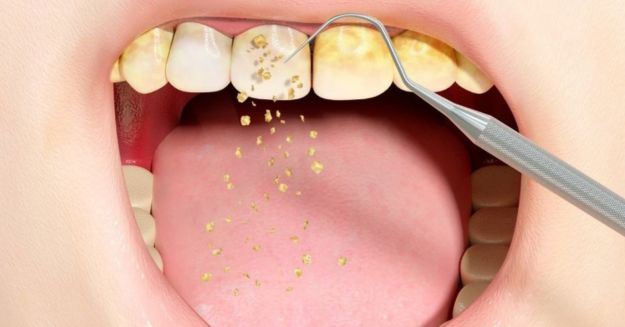
Professional Dental Cleaning
Dentists remove hardened plaque and tartar buildup that regular brushing cannot reach. This eliminates odor-causing bacteria and refreshes the mouth.
Gum Disease Therapy
In cases of gum inflammation, scaling and root planing (deep cleaning) removes bacteria from under the gums and helps restore oral health.
Restorative Dental Treatment
Cavities, cracked fillings, or poorly fitting crowns can trap bacteria and food debris. Treating these restores both function and freshness.
Prescription Mouth Rinses
Antibacterial or chlorhexidine mouthwashes may be prescribed to reduce bacterial load and combat odor more effectively than over-the-counter options.
Managing Dry Mouth
Dentists may recommend saliva substitutes, sugar-free lozenges, or lifestyle changes to stimulate saliva flow and restore moisture balance.[3]
Home Remedies to treat Bad Breath (Halitosis)
Mild bad breath can often be managed at home with simple, natural remedies, though professional dental care is the most reliable way to achieve lasting freshness. Here are some practical and effective home strategies:
1. Keep Up with Good Oral Hygiene
Brushing twice a day with fluoride toothpaste and flossing daily removes food particles and plaque that cause odor. Don’t forget to replace your toothbrush every three months and visit your dentist regularly to maintain a healthy mouth.
2. Clean Your Tongue Daily
Bacteria, food particles, and dead cells can accumulate on your tongue, especially at the back. Using a tongue scraper or the back of your toothbrush once a day can significantly reduce odor-causing buildup.
3. Try Saltwater or Apple Cider Vinegar Rinses
Gargling with warm saltwater can neutralize bacteria and soothe gums, while apple cider vinegar may help balance your mouth’s pH. Mix a small amount in a glass of warm water, swish gently, and spit out. These rinses are simple but should be used cautiously.
4. Practice Oil Pulling
Swishing a tablespoon of coconut or sesame oil in your mouth for 10–15 minutes is an ancient technique believed to reduce harmful bacteria and freshen breath. While results vary, it can be a natural addition to your routine always complementing, not replacing, professional care.
5. Stay Hydrated
A dry mouth promotes bacterial growth. Drinking water regularly stimulates saliva, which naturally washes away food debris and bacteria. Make it a habit to sip water throughout the day, especially after meals.
6. Add Probiotics to Your Diet
Probiotics can help balance the bacteria in your mouth and gut, supporting fresher breath. [4]. Include yogurt, kefir, or fermented vegetables in your meals for a simple, gut-friendly approach to halitosis.
7. Use Lemon Water or Lemon-Honey Rinses
Citrus fruits like lemon boost saliva and create an environment that bacteria dislike. A rinse with lemon juice and warm water, or lemon-honey water, can temporarily neutralize odors. Pairing this with green tea can enhance the antibacterial effect.
8. Chew Natural Fresheners
Herbs like parsley, mint, cardamom, or fennel seeds naturally freshen breath. Chewing sugar-free gum can also stimulate saliva, helping remove lingering food particles when you’re on the go.
9. Limit High-Odor Foods
Garlic, onions, spicy dishes, and heavily processed meats can leave lasting odors. Reducing these foods, especially before social occasions, is a simple way to prevent halitosis.
10. Keep Dental Appliances Clean
Dentures, retainers, or braces can trap food and bacteria. Clean these devices daily soak, brush, and rinse as instructed by your dentist to prevent odor and maintain oral hygiene.
Preventing Bad Breath
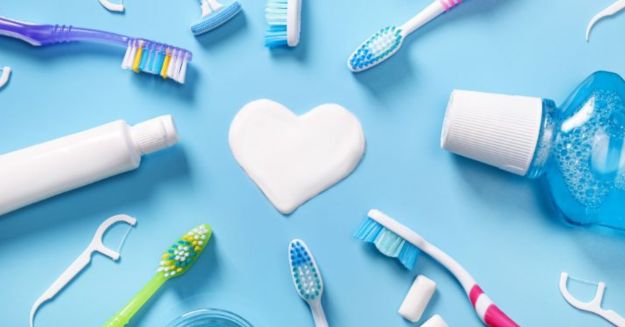
Bad breath is largely preventable with consistent care and healthy habits.
- Brush and Floss Daily
Brush twice a day and floss once daily to remove trapped food and plaque. Replace your toothbrush every 3 months. - Clean Your Tongue: Gently scrape your tongue every day, as most odor-causing bacteria tend to accumulate on its surface. This simple step can make a big difference in keeping your breath fresh.
- Stay Hydrated: Drink water throughout the day to prevent dry mouth and help saliva naturally wash away food particles and bacteria that cause bad breath.
- Eat Smart: Be mindful of foods that leave strong odors, and reduce habits like smoking or heavy alcohol intake, which can contribute to persistent bad breath.
- Visit Your Dentist Regularly: Regular checkups and professional cleanings every six months help detect issues early and maintain overall oral health, keeping your breath naturally fresh.
When to See a Dentist for Bad Breath
You should see a dentist if bad breath persists despite good oral care. Persistent halitosis may signal:
- Gum disease
- Untreated tooth decay
- Oral or throat infection
- Systemic illness (such as diabetes or reflux)
A dentist can conduct a comprehensive evaluation, identify the cause, and create a personalized treatment plan to eliminate the odor and restore your confidence.
Summary:
If home remedies fail, professional diagnosis is essential to rule out underlying dental or medical issues.
Can Antibiotics Treat Bad Breath?
In some cases, yes but only when bacterial infection is the cause. For example:
- Gum infections (periodontitis) caused by bacteria such as Porphyromonas gingivalis may require antibiotics like metronidazole or amoxicillin, combined with deep cleaning procedures.[4]
- Tonsil or sinus infections linked to halitosis may also respond to targeted antibiotic therapy.[5]
However, antibiotics are not a quick fix and should never replace proper oral hygiene or professional cleaning. Overuse can lead to resistance and side effects, so dentists prescribe them only when necessary.[5]
Summary:
Antibiotics can help treat infection-related bad breath but they must be used carefully and under dental supervision.
Conclusion
Don’t let bad breath hold you back from speaking, smiling, or laughing confidently.
If you’re struggling with persistent halitosis, schedule a visit to your local dental clinic. A personalized halitosis treatment plan combining professional care with healthy habits can help you achieve lasting freshness, healthier gums, and renewed self-confidence.
FAQ
Yes, mild odor can often be reduced with brushing, flossing, tongue cleaning, and staying hydrated. However, chronic halitosis requires professional care.
Yes. Persistent bad breath can indicate gum disease, tonsil infections, diabetes, or acid reflux all requiring proper diagnosis.
No. Mouthwash only masks odor temporarily; it doesn’t remove deep-seated bacteria beneath the gums.
If the cause is oral such as gum disease or cavities, yes, dental treatment can completely eliminate it. If the issue is systemic, collaboration with your physician may be needed.
References
1, “Causes and Management of Halitosis: A Narrative Review” Khounganian RM et al., 2023. This review outlines the many causes of halitosis (oral + systemic) and management strategies. PMC
2, “Revisiting Standard and Novel Therapeutic Approaches in Halitosis: A Review” Izidoro C et al., 2022. A detailed paper that covers standard treatments + newer ones (e.g., probiotics) for halitosis. MDPI
3, “Halitosis: Practice Essentials, Epidemiology, Etiology” Thoppay JR, published on Medscape, Jan 2023. Good summary of prevalence, etiologies and diagnostic/treatment considerations. Medscape
4, “Efficacy of probiotics in the management of halitosis” Huang N et al., 2022 (BMJ Open). Focuses on a specific treatment option (probiotics) useful for your blog’s “modern solutions” section. BMJ Open
5, “Halitosis: prevalence, risk factors, sources, measurement and treatment” Wu J et al., 2020. A broad literature review on halitosis, covering causes, measurement methods, and treatment outcomes. Wiley Online Library

