

Artificial intelligence is transforming dental care, from smarter diagnostic imaging to AI-assisted treatment planning. The technology promises faster, more accurate, and patient-friendly care. At the same time, there’s growing concern about a potential AI investment bubble in dental devices. Which innovations are genuinely transforming dentistry, and which are just hype?
We’ll explore how AI is being used in dental devices, the potential benefits, the risks to watch for, and what dentists and investors should consider before investing.
Key Takeaways
- AI is increasingly used in dental devices for imaging, diagnostics, treatment planning, and patient engagement.
- AI Assisted devices improve efficiency, accuracy, and predictability in dental procedures.
- Investments in AI dental devices are growing rapidly, but not all innovations have proven results.
- Clinics and investors should focus on technologies with clinical validation rather than hype.
- Early adoption of AI tools offers efficiency and patient care advantages, but careful evaluation is essential.
- The dental AI market may face growing pains, regulatory hurdles, and high costs.
What Are AI Dental Devices?
AI dental devices are tools that use artificial intelligence to assist dentists in providing Dental care. Examples include X-ray software that analyzes for dental cavities, AI-guided scanners for accurate impressions, and treatment planning systems that suggest optimal steps for procedures like orthodontics or implants.[1]
The main goal is not to replace dentists, but to support them in making more accurate decisions and reducing repetitive tasks. These devices can also improve patient engagement, for example through apps that track oral hygiene habits or monitor compliance with treatment plans.
Why AI Investments Are Growing
Startups and established dental companies are attracting significant funding to develop AI-driven solutions. Investors are betting on a future where AI streamlines workflows, reduces errors, and enhances treatment outcomes.[2]
However, not all innovations are ready for widespread adoption. Some devices may deliver meaningful benefits, while others are more hype than substance. For clinics and investors, the challenge is identifying which AI technologies are truly valuable.
How AI Is Transforming Dental Practice
AI is already changing how dentists diagnose, plan, and treat patients:
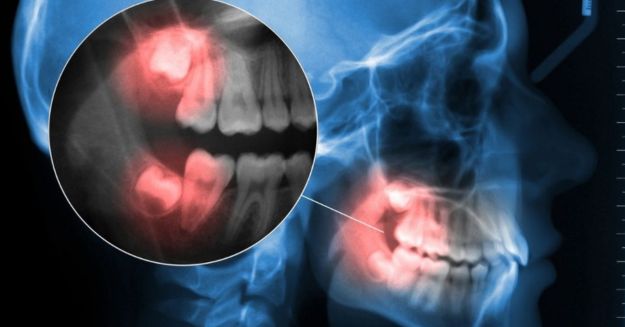
AI-Assisted Imaging: X-rays that use AI, CBCT scans, and other images to detect cavities, fractures, or early signs of gum disease. This may improve accuracy and reduce missed diagnoses.
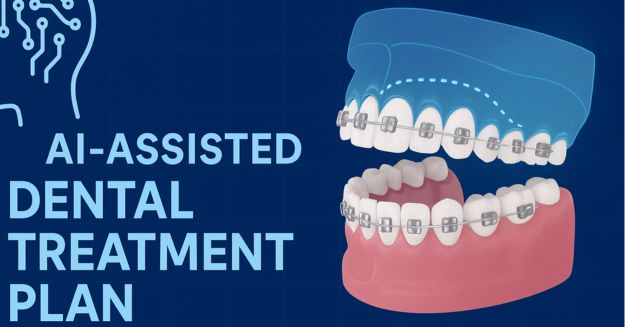
Treatment Planning: AI tools can suggest optimized sequences for orthodontics, implants, or endodontic procedures, potentially saving chair time and improving predictability.
Patient Engagement: Apps and smart devices track oral hygiene, remind patients about care routines, and offer feedback tailored to their needs.
Smart Devices: AI-guided drills and scanners can help dentists perform precise procedures while minimizing errors.
Opportunities for Dentists and Investors
The benefits of AI in dental practice are tangible. Clinics that adopt validated AI tools may see:
- Faster, more accurate diagnostics
- Streamlined treatment planning
- Improved Treatment Outcomes/Better Prognosis
- Reduced repetitive work
For investors, AI dental devices represent a growing market. Companies that develop tools with real clinical value may see meaningful returns. Early adoption can provide advantages, but chasing hype carries risks.
Challenges and Risks
Despite its potential, AI in dental devices has challenges:
- High costs of devices and software
- Limited clinical validation for some technologies
- Regulatory approvals can slow adoption
- Risk of overhyped investments not delivering real value
For clinics, the key is to ensure that AI devices solve real clinical problems, integrate into workflows, and improve outcomes.
Practical Tips for Evaluating AI Dental Devices
When a dentist or dental investor is considering AI tools, they may want to ask:
Does it have clinical validation?
Clinical validation shows whether the technology has been tested and proven to work in real clinical settings. This includes studies, trials, or published research demonstrating accuracy, safety, and reliability. Clinically validated tools give dentists confidence that the system produces consistent results before being used on patients.[3]
Is it approved by regulatory authorities?
Regulatory approval shows that the product meets essential safety and quality standards set by agencies like the FDA or CE. It confirms the technology has been properly tested for risks and performance. This ensures safe clinical use and protects both patients and clinicians.
Can it integrate easily into existing workflows?
Effective dental technology should fit smoothly into current systems like imaging software or practice management tools. Easy integration reduces training time and avoids disruptions in daily operations.[3] This allows clinicians to adopt the tool quickly and use it confidently.
Does it improve efficiency or patient care in measurable ways?
The best technologies provide clear, measurable benefits such as reduced chair time, faster diagnosis, improved treatment planning, or better patient outcomes. These improvements may be supported by clinical data, case studies, or performance metrics.[4] When results are measurable, it becomes easier for clinics to justify investment and demonstrate value to patients.
The Future of AI in Dentistry
AI is likely to become more integrated in dental practice over the coming years:
- Predictive analytics could anticipate dental issues before they appear
- Personalized simulations may design treatments to each patient
- AI-enabled devices may expand access to care in underserved areas
Even with concerns about overinvestment, long-term adoption will likely focus on tools that improve patient outcomes and clinic efficiency.
Conclusion
AI investments in dental devices offer exciting opportunities but also carry risks. Technologies that are validated, practical, and focused on patient outcomes are most likely to provide real value. Dentists and investors who approach AI thoughtfully may find it improves efficiency, accuracy, and patient care, while avoiding the pitfalls of hype-driven investments.
FAQ
No. AI can support diagnosis and workflow, but it cannot replace clinical judgment, hands-on skills, or human decision-making.
Yes, when they are properly tested, clinically validated, and approved by regulatory bodies. Safety depends on evidence, not marketing claims.[5]
It can be, especially when the technology is research-backed and shown to improve accuracy, efficiency, or patient outcomes.[5]
AI can lower dental costs by improving efficiency and accuracy, though initial setup is expensive. Over time, wider adoption may make treatments more affordable.
AI is gradually being integrated into dentistry for diagnosis, treatment planning, and patient monitoring. As clinical evidence and successful outcomes accumulate, adoption is expected to increase. In the coming years, AI is likely to become a standard part of dental care as technology becomes more accessible and affordable.
References
- Ding H, et al. “Artificial intelligence in dentistry A review.” PMC. 2023. (pmc.ncbi.nlm.nih.gov)
- Rokaya D, et al. “Artificial intelligence in dentistry and dental biomaterials.” Frontiers in Dental Medicine. 2024. (frontiersin.org)
- Ghaffari M, et al. “A review of advancements of artificial intelligence in dentistry.” 2024. (sciencedirect.com)
- Najeeb M, et al. “Artificial intelligence in restorative dentistry: current trends …” BMC Oral Health. 2025. (bmcoralhealth.biomedcentral.com)
- Lal A, Nooruddin A, Umer F. “Concerns regarding deployment of AI-based applications in dentistry – review.” BDJ Open. 2025. (nature.com)

