
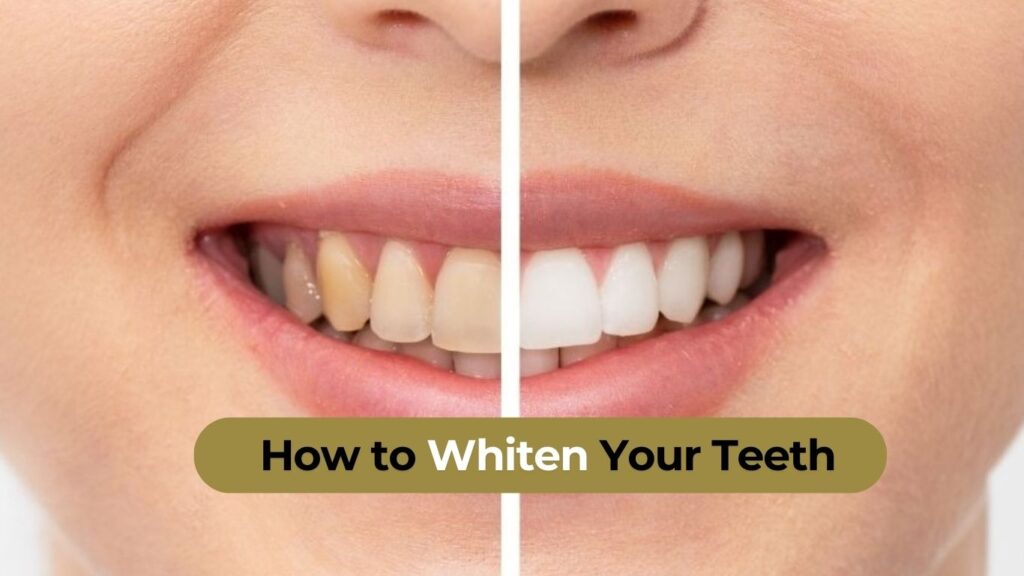
If stained and discolored teeth are affecting your confidence, there are several solutions available. Professional dental whitening procedures offer a quick and effective option, while home teeth whitening products provide a more affordable and convenient alternative
What is Teeth Whitening?
Teeth whitening, also known as teeth bleaching, refers to cosmetic dental Procedures that enhance the brightness of natural teeth. The process involves removing stains and discoloration using bleaching agents such as hydrogen peroxide, carbamide peroxide, or sodium perborate. Some whitening methods may cause temporary tooth sensitivity and gum irritation.
What Causes Teeth to Stain?
Teeth can become discolored for a variety of reasons. Stains may affect the outer enamel or develop from damage inside the tooth. In general, younger people tend to have whiter teeth, but staining increases with age. Teeth stains can be classified into different types, which we will cover below in detail:
Extrinsic Teeth Stains
These are surface stains, which can affect the pellicle, a protective protein coating that forms over your teeth. Alternatively, they may also be caused by a chemical interaction with enamel or dentin. The stains, more technically called chromogens, remain on the enamel and don’t penetrate to the interior of the tooth. Common causes include:
- Diet: Tea, coffee, and other foods can stain teeth.
- Oral hygiene: Poor hygiene causes plaque, cavities, and calculus which can discolor teeth.
- Habits: Tobacco use, among other poor habits, can cause staining.
- Medications: Some medications, such as, tetracycline will cause discoloration.
- Environmental factors: Exposure to chemicals, particularly heavy metals, can cause tooth staining.
You can prevent surface stains simply by avoiding some bad habits, while brushing and flossing regularly.
Intrinsic Teeth Stains
The enamel is not completely opaque, so changes to the interior, or pulp, of the tooth can cause teeth to discolor. The most common example is after a cavity is filled. The tooth is often darker in color as the white pulp has been replaced with darker amalgam. Other trauma can also cause intrinsic staining, but more often, it is caused by chemical exposure or a medical condition:
- Genetic disorders: Including conditions like dentin dysplasia, will often turn teeth yellow or brown.
- Trauma: One of the most common causes of intrinsic staining is infection or trauma that damages the pulp.
- Dental conditions: Cavities and wear on the tooth can also cause stains.
- Medications and chemicals: Some chemicals can change tooth color, such as the fluoride added to water.
Intrinsic staining may occur before the baby teeth even erupt, if caused by a genetic disorder or chemical exposure in utero
Age-Related Teeth Stains
As we age, our teeth naturally start to lose their bright whiteness. The cause is primarily wear and changes due to age. Enamel thins and changes texture, leading to tooth stains.
Who is a Good Candidate for Teeth Whitening?
Teeth whitening is effective in removing stains caused by:
- Coffee, tea, red wine, and other staining foods and drinks
- Smoking
- Aging-related yellowing
- Tetracycline treatment during tooth development
- Fluorosis (excess fluoride exposure during tooth formation)
- Discoloration due to root canal treatment or nerve damage
Not everyone is a suitable candidate for teeth whitening. If you have sensitive teeth, gum disease, or other dental issues, your dentist may advise against it.
Types of Teeth Whitening
1. In-Office Whitening
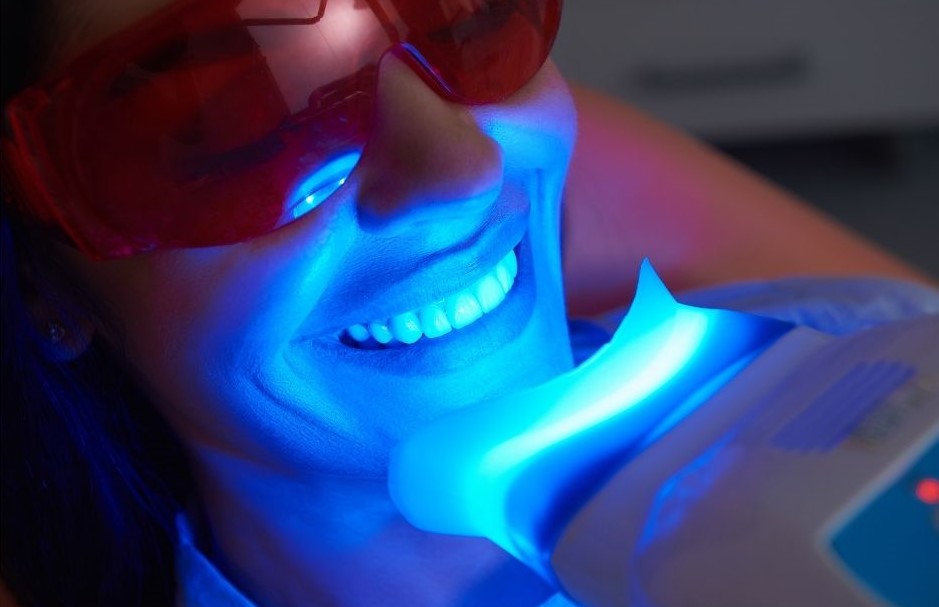
Performed by a dentist, this method involves applying a whitening gel activated by a special light or laser. The procedure is usually completed in one session and provides immediate results.
2. At-Home Whitening Kits
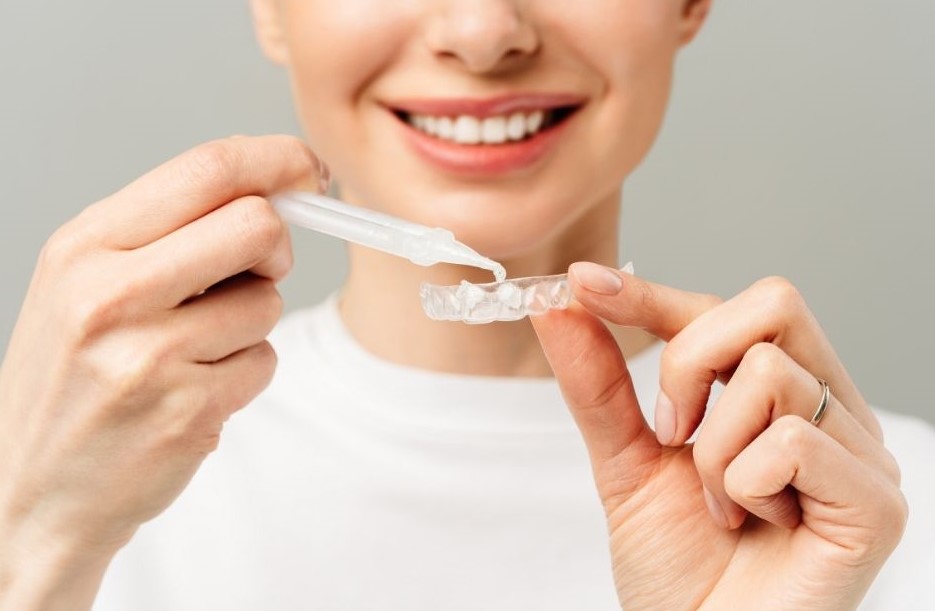
These kits, provided by a dentist, include custom-made trays and whitening gel. Users wear the trays for a specified time daily over several weeks to achieve desired whitening results.
3. Over-the-Counter Whitening Products
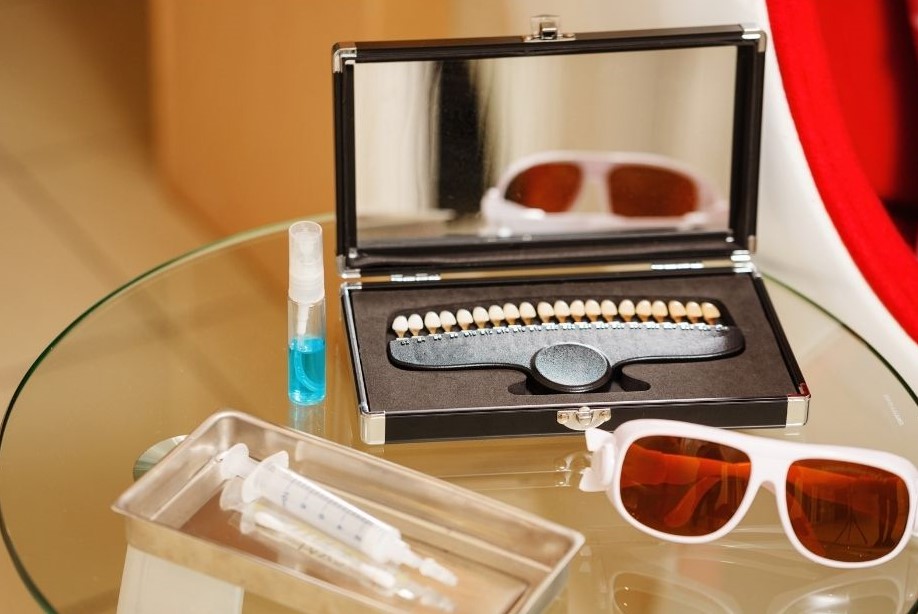
Available at drugstores, these include whitening strips, gels, and toothpaste. While more affordable, they may be less effective and could cause tooth sensitivity.
How is the Teeth Whitening Procedure Carried Out?
- Initial Examination: Your dentist assesses your teeth’s condition, which may include X-rays to check their health.
- Preparation: In-office procedures involve protecting the gums and lips. For at-home kits, impressions of your teeth are taken for custom trays.
- Application of Whitening Agent: The bleaching agent is applied and lefton for a specified duration.
In-office treatment: Usually completed in one session.
At-home kits: Require daily use for 2-4 weeks, with each session lasting 30 minutes to an hour.
4. Rinsing and Evaluation: Your dentist removes the whitening agent and may repeat the process if necessary to achieve the desired shade.
Post-Whitening Care: Maintaining Your Bright Smile
- Avoid Staining Foods and Drinks: Limit coffee, tea, red wine, and dark-colored foods like berries and tomato sauce.
- Maintain Good Oral Hygiene: Brush twice daily and floss once a day to prevent plaque buildup.
- Use Whitening Toothpaste: Opt for a fluoride toothpaste with gentle whitening agents such as baking soda or hydrogen peroxide.
- Schedule Regular Dental Cleanings: Professional cleanings help remove surface stains and prevent plaque buildup. Your dentist may recommend touch-up whitening treatments.
- Manage Sensitivity: If whitening causes temporary sensitivity, avoid hot or cold beverages.
Teeth whitening is a safe and effective way to enhance your smile and boost confidence. Whether you opt for professional whitening or at-home solutions, following the recommended steps and maintaining proper oral care ensures lasting results. Consult your dentist to determine the best whitening option for you and enjoy a brighter, healthier smile!

