
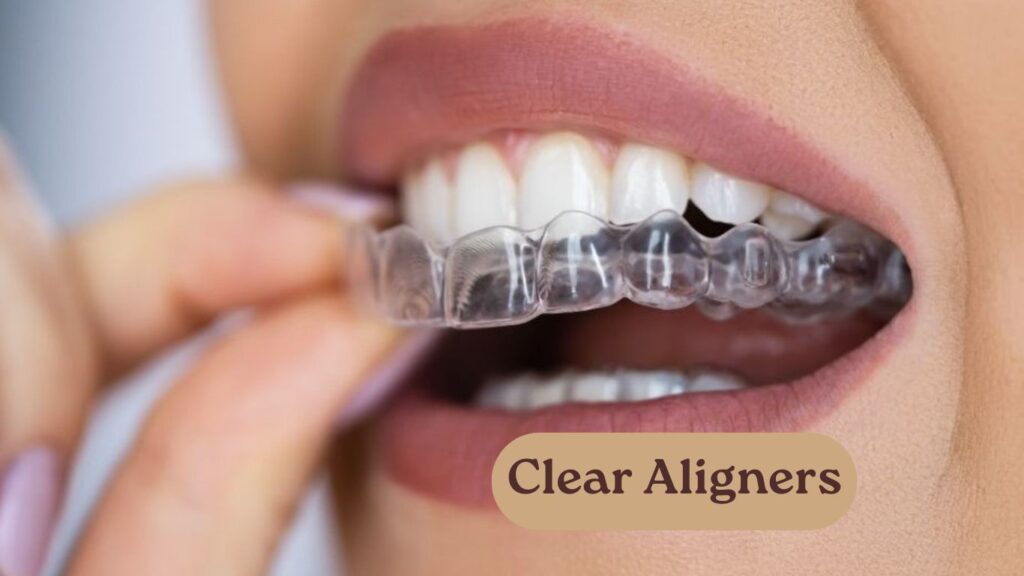
Clear aligners offer an effective and discreet way to straighten teeth and correct misalignment. Made from clear plastic, they fit snugly over the teeth and gradually shift them into the desired position over time. In this guide, we’ll explore what clear aligners are, the dental issues they treat, the differences between at-home and in-office aligners, and the process of creating them.
What Are Clear Aligners?
Clear aligners are an orthodontic treatment designed to realign teeth without the need for traditional metal braces. These custom-fit, transparent trays work by applying gentle pressure to gradually shift teeth into their proper position. Patients receive a series of aligners, with each set worn for a specific period before transitioning to the next set in the series.
Dental Issues That Clear Aligners Can Treat
Clear aligners can be used to correct a wide range of bite issues, including:
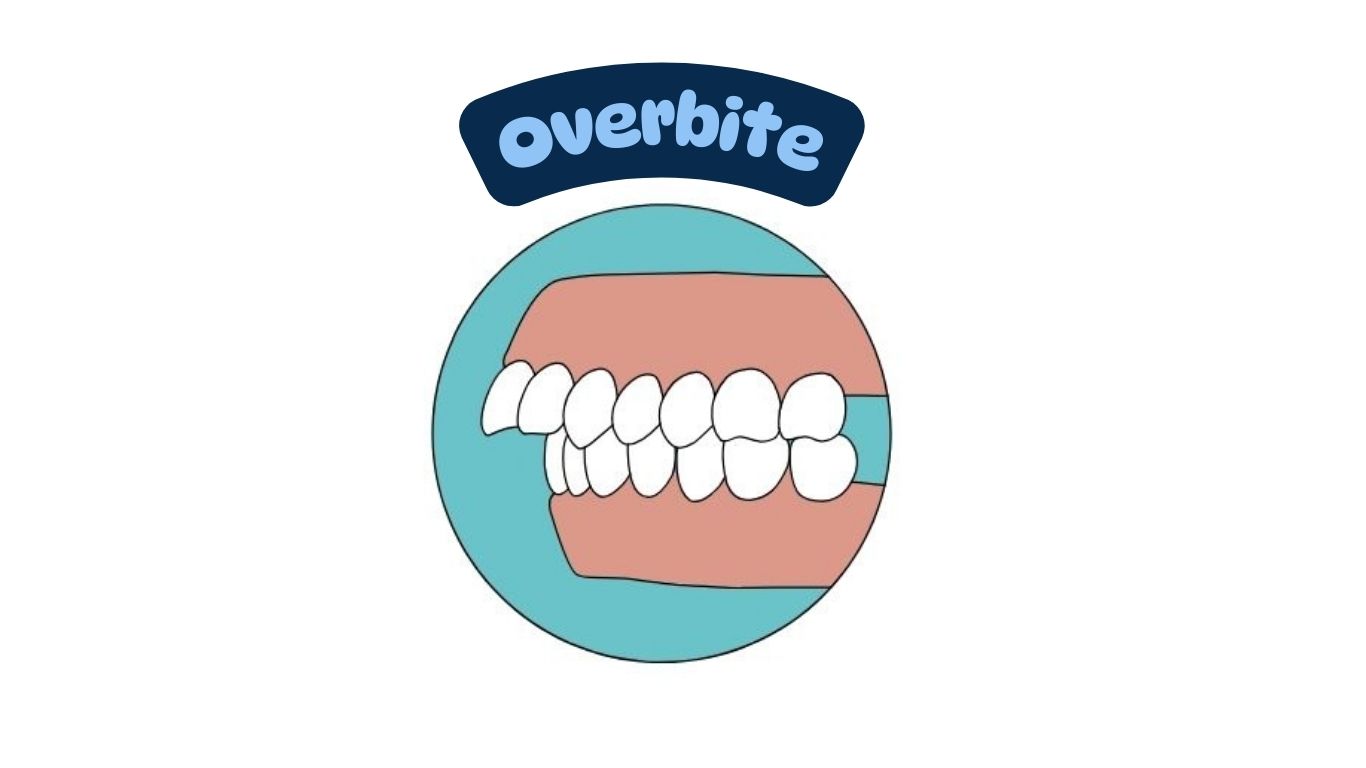
Overbite: An overbite, also known as a deep bite, occurs when the upper front teeth overlap the lower front teeth excessively. Clear aligners can be used to gently push the upper front teeth back and bring the lower front teeth forward, correcting the overbite.
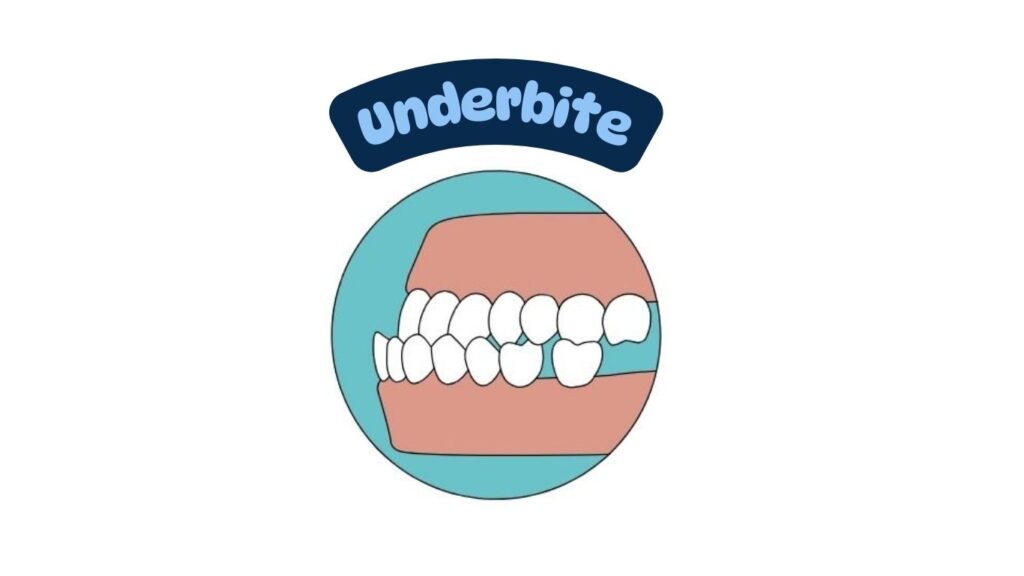
Underbite: An underbite occurs when the lower front teeth protrude beyond the upper front teeth. Clear aligners can be used to bring the lower front teeth back and the upper front teeth forward.
Open bite: An open bite occurs when there is a gap between the upper and lower front teeth when the back teeth are biting together. Clear aligners can be used to close the gap and bring the front teeth into proper alignment.

At-Home vs. In-Office Aligners: What’s the Difference?
At-Home Aligners
- Less expensive than in-office aligners.
- Designed for mild to moderate misalignment.
- Require minimal supervision from a dental professional.
- Treatment progress is typically monitored remotely.
In-Office Aligners
- Provided and closely monitored by an orthodontist or dentist.
- More effective for complex orthodontic cases.
- Require regular in-office visits for adjustments and progress tracking.
- Typically more expensive than at-home aligners.
How Are Clear Aligners Made?
- Dental Impressions or Scans: A 3D model of the patient’s teeth is created using either traditional dental impressions or digital scans.
- Treatment Plan Development: The orthodontist maps out a personalized treatment plan, detailing the necessary steps to align the teeth.
- Aligner Design: Using computer-aided design (CAD) software, a series of aligners are created to gradually shift the teeth into place.
- Manufacturing: The aligners are produced using thermoforming, where heated plastic is molded over a 3D model of the patient’s teeth.
- Fitting and Adjustments: Patients receive their aligners and wear each set for about two weeks before progressing to the next set in the series.
How to Stay on Track with Your Clear Aligner Treatment
Clear aligners only work if you wear them as instructed. Most patients are successful, but sometimes forgetting to wear your trays or not following the plan can slow down your progress. To get the best results, here are a few key steps you can take:
1. Understand Your Treatment Plan
Before you begin, make sure you know how long your treatment will take, how many aligners you’ll need, and why wearing them for 22 hours a day is so important. Think of it this way: the more consistent you are, the faster you’ll see results.
2. Keep Up with Check-ins
Your dentist or orthodontist may schedule in-person or virtual appointments to track your progress. Don’t skip these—they help make sure everything is moving as planned and give you the chance to bring up any concerns.
3. Speak Up About Discomfort or Concerns
It’s normal to feel some pressure when switching to a new aligner, but if you ever feel pain or have questions, don’t stay quiet. Let your dental provider know right away so adjustments can be made if needed.
Tips for Parents of Kids Using Clear Aligners
If your child is starting aligner treatment, your support will make a huge difference. Here are a few ways to help:
- Use rewards: Some parents motivate kids by rewarding consistent wear.
- Remind them at school: Encourage your child to wear aligners during the day as well as at night.
- Check comfort levels: It’s normal for kids to feel mild discomfort in the first few days. Keep an eye on them and reassure them that it gets easier.
By helping your child build good habits, you’ll make sure they stay on track and finish treatment successfully.
Conclusion
Clear aligners provide a discreet, convenient, and effective way to straighten teeth. Whether you choose an at-home or in-office treatment, following your orthodontist’s guidelines is key to achieving optimal results. Consult with a dental professional to determine the best clear aligner option for your specific needs and start your journey toward a healthier, straighter smile.

