
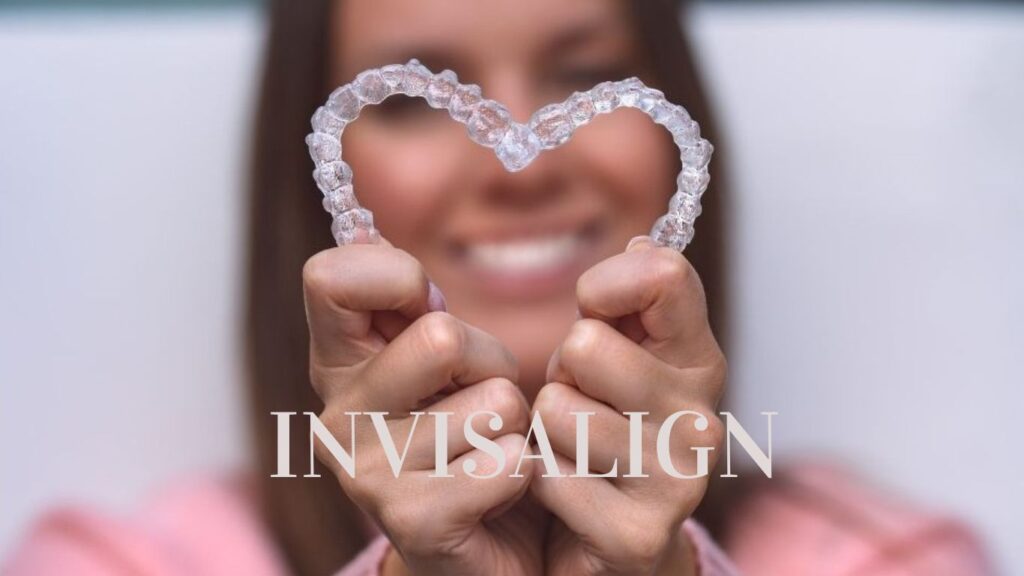
If you want to straighten your teeth without the discomfort and visibility of traditional metal braces, Invisalign may be the perfect solution. This innovative orthodontic treatment uses clear plastic aligners to gradually shift your teeth into alignment. In this guide, we’ll explore what Invisalign is, who it’s suitable for, the treatment process, and how to care for your aligners.
What is Invisalign?
Invisalign is a modern orthodontic treatment that straightens teeth using a series of clear, custom-made aligners. These aligners are designed using advanced 3D imaging technology to ensure a precise fit and effective results. Unlike traditional braces, Invisalign aligners are virtually invisible and removable, making them a popular choice for adults and teens looking for a discreet way to achieve a straighter smile.
Who is a Good Candidate for Invisalign?
Invisalign is suitable for older teenagers and adults who want to correct misalignment without using metal braces. It is commonly used to treat:
- Overcrowded Teeth: When there isn’t enough space in the jaw, causing teeth to overlap.
- Gaps Between Teeth: Invisalign can close gaps and improve overall alignment.
- Bite Issues: Helps correct overbite, underbite, crossbite, and open bite conditions.
- Relapse Treatment: If you previously had braces but didn’t wear a retainer, Invisalign can help realign shifted teeth.
Steps Involved in Invisalign Treatment
Invisalign is a smooth, step-by-step process that slowly straightens your teeth using clear aligners. Here’s a quick overview of what happens along the way.
- Consultation:
Your dentist or orthodontist will evaluate your teeth and determine if Invisalign is the right option. They will take 3D images to create a custom treatment plan.
- Aligner Fabrication:
Using 3D printing technology, clear aligners are custom-made to fit your teeth.
- Wearing Your Aligners:
Aligners should be worn for 20-22 hours per day, only removing them for eating and oral hygiene.
- Progression:
Every two weeks, you’ll switch to a new set of aligners that gradually shift your teeth into place.
- Follow-Up Visits:
Your orthodontist will monitor progress every six to eight weeks and provide new aligners as needed.
Aftercare for Invisalign

- Wear Your Retainer: Once treatment is complete, a retainer helps maintain your new alignment.
- Maintain Oral Hygiene: Brush and floss daily to keep your teeth and aligners clean.
- Clean Your Aligners Properly: Use a soft-bristled toothbrush and lukewarm water to clean aligners. Avoid hot water, which can warp the plastic.
- Avoid Staining Foods and Drinks: Coffee, tea, red wine, and dark sauces can discolor aligners.
- Store Aligners Safely: When not in use, keep them in their protective case to prevent damage or loss.
- Attend Follow-Up Appointments: Regular visits to your dentist ensure your treatment stays on track and any necessary adjustments are made.
Frequently Asked Questions (FAQ)
The duration of treatment varies, but most people complete Invisalign in 6 to 18 months, depending on the complexity of the case.
Invisalign may cause mild discomfort as your teeth adjust, but it is generally less painful than traditional braces.
You should remove your aligners before eating or drinking anything other than water to prevent staining and damage.
For best results, wear your aligners for 20-22 hours per day, only removing them for meals and oral hygiene.
Rinse them with lukewarm water and use a soft toothbrush to clean them. Avoid using hot water as it may warp the plastic.

